Image pending rights clearance
Calpeia
A Neolithic woman who lived here roughly 7,400 years ago. Genetic analysis connected most of her ancestry to ancient populations associated with Anatolia.
I speak Spanish, which only made Gibraltar more confusing. Walking through town, I heard English cutting through Spanish and Spanish cutting through English. The codeswitching was neck-snapping. At one point, Google detected it as Hungarian.
Llanito was one clue that Gibraltar would not explain itself neatly.
At the museum, a staff member described the ease with which Gibraltarians move between English and the Spanish of the surrounding region. I had been hearing it without knowing what I was hearing.
At the Gibraltar National Museum, the idea became visible beneath my feet.
One period had been built over another: a Marinid well, a later Spanish cistern, later water systems, then British works.
Gibraltar had not simply changed hands. It had accumulated lives.
The museum also gave faces to much older movement into Gibraltar.
Neanderthals lived in Gibraltar during the Paleolithic, surviving here until about 32,000 years ago. Thousands of years later, in the Neolithic, Calpeia lived here about 7,500 years ago.
A Neolithic woman who lived here roughly 7,400 years ago. Genetic analysis connected most of her ancestry to ancient populations associated with Anatolia.
A Bronze Age man buried in Bray’s Cave whose ancestry linked him to populations associated with the Pontic steppe.
DNA tests do not tell you that you are literally “30% Italian” or “20% French.” DNA does not contain national labels.
The percentages are estimates based on comparison. A person’s DNA is compared with selected reference groups, and the result describes which populations that DNA most closely resembles.
So when Calpeia is described as having about 90% Anatolian ancestry, that does not mean she was “90% Turkish.” It means most of her ancestry was genetically similar to ancient populations associated with Anatolia.
DNA can reveal ancestry, relationships and patterns of human movement. It does not divide people into percentages of a “race.”
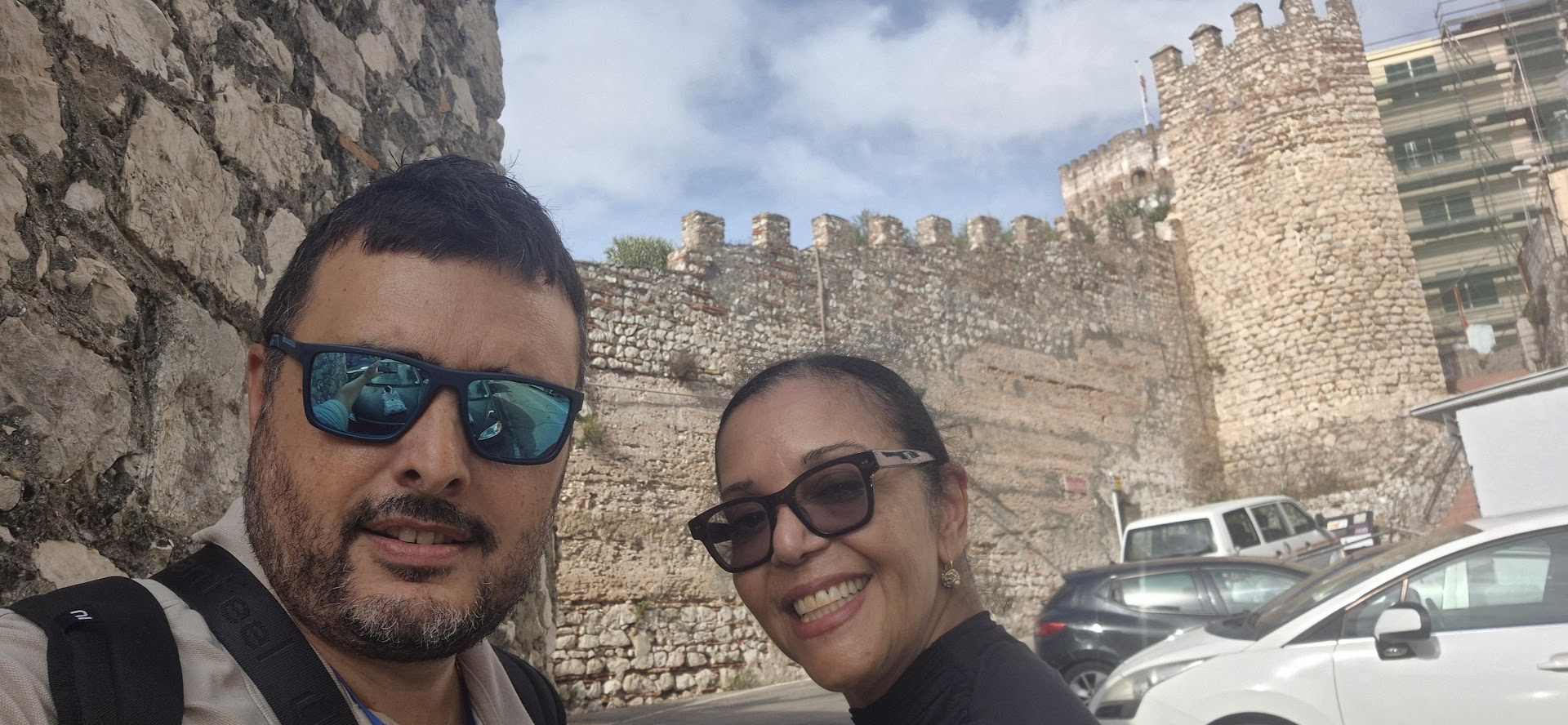
Gibraltar’s Moorish layer is not a footnote. It is built into the Rock. In 711, forces under Ṭāriq ibn Ziyād crossed from North Africa into Iberia; Gibraltar still carries his name — Jabal Ṭāriq.
Centuries later, the Almohads established a fortified city here. Marinids from Morocco and Nasrids from Granada would rule Gibraltar in turn before Castile captured it in 1462.
The history of Gibraltar was already moving back and forth across the Strait.
Karel helped me see the place less as a sequence of replacements than as an accumulation. The walls themselves hold evidence of successive worlds.
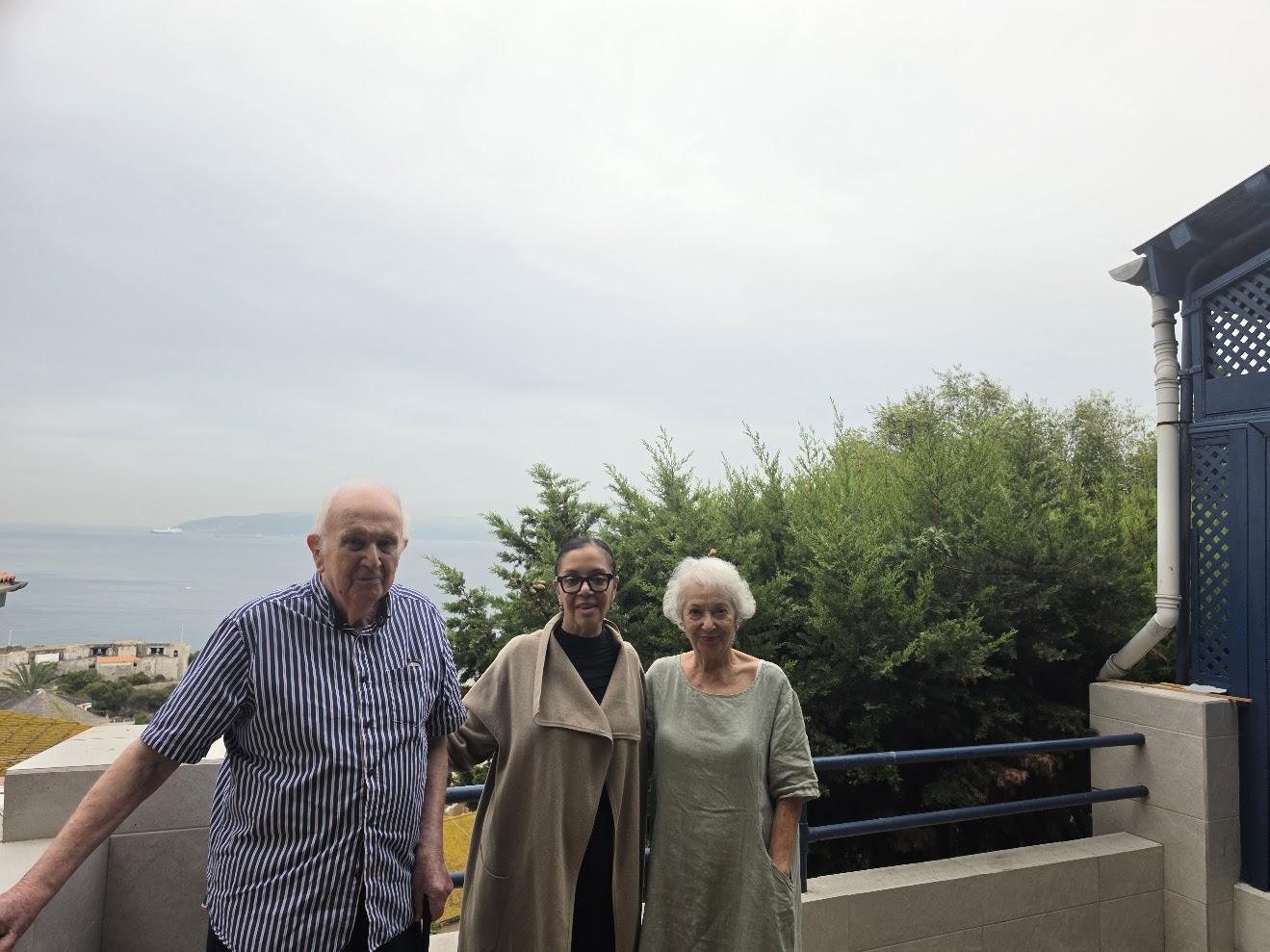
The previous evening I sat with Gibraltar historian Sam Benady and his wife, Sarita, at their home. Sarita is Jewish from the Sephardic community in Morocco. Sam’s own Gibraltar family story also begins across the Strait.
The Gibraltar line begins with Mesod Benady, born in Tetouan, Morocco, in 1719, who came to Gibraltar in 1735 at sixteen.
What caught my attention was not the genealogy itself, but the movement within it.
In Sam’s family history, people move through Gibraltar, Menorca, Malta, Marseille, Corfu and back again. One ancestor could be Masoud in Arabic, Matsliah in Hebrew, Prospero in Italian and Fortunato in Spanish.
Córdoba. Seville. Granada. Gibraltar. Morocco.
These were not isolated historical stages. People moved between them.
Sam Benady’s historical novel The Keys to the City brings an earlier movement to life. The story follows Pedro de Herrera and a group of conversos — Jews who had converted to Christianity — from Córdoba and Seville who establish themselves in Gibraltar in the fifteenth century, only to be forced to leave again two years later.
Their story does not stop at Gibraltar. The family moves into the wider Mediterranean world. North Africa — including Morocco — and the Ottoman world become part of the same human geography already connecting Iberia to the opposite shore.
In the novel, Pedro Herrera’s family eventually reaches what is now Turkey. The story closes in Jerusalem, where Pedro’s son Álvaro is practicing medicine.
And the keys to Gibraltar are still hanging in his office.
That image stayed with me. A family can be removed from a place and still carry the place with it.
The later expulsions from Spain under the Catholic Monarchs widened that movement. Jews leaving Córdoba, Seville, Granada and other parts of Spain crossed toward North Africa and beyond. Some settled in cities such as Tetouan and Chefchaouen, Morocco; others became part of Sephardic communities across the Ottoman world.
The direction of the crossings changed. The geography connecting them did not.
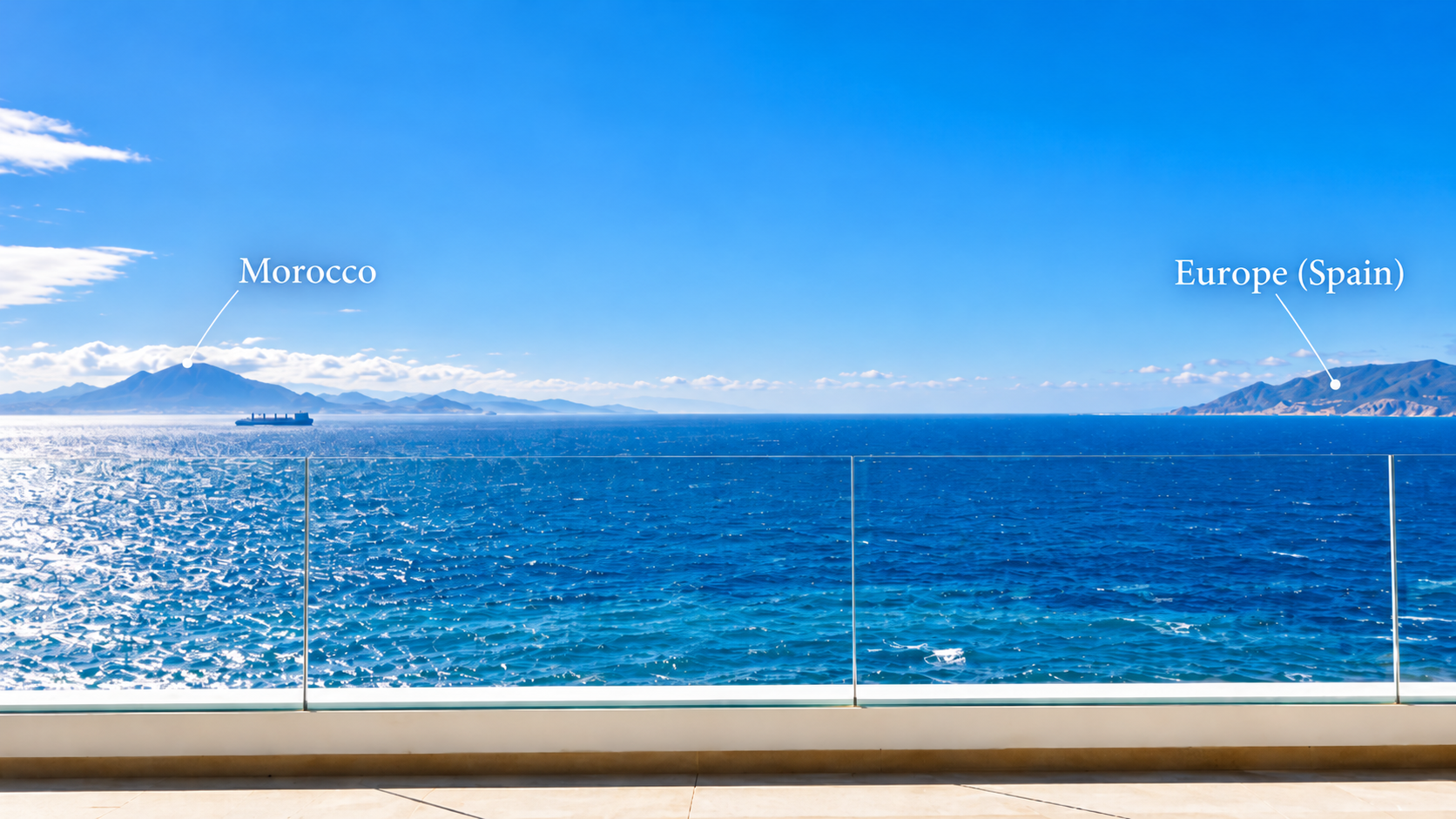
I came looking for the thing underneath all the layers — the thing that would tell me what Gibraltar really was.
But Gibraltar may make more sense when we stop looking for a single answer beneath them.
The layers are the place.
These notes distinguish personal observation, recorded conversations, museum interpretation and historical reference. A field photograph records what was visible during the visit; a caption or display does not by itself establish every claim about the past.
The chapter draws on Fe Bencosme’s October 2026 visit to the Gibraltar National Museum, the walk with Karel Balban, and the home conversation with Sam and Sarita Benady. Personal observations of Llanito and accounts from local speakers are attributed field evidence.
Paleolithic Neanderthals, Neolithic Calpeia and Bronze Age Yantar belong to distinct periods. Archaeological ages are estimates and can vary between publications and displays. The chapter uses both approximately 7,500 and 7,400 years for Calpeia; the difference reflects approximate dating, not two individuals.
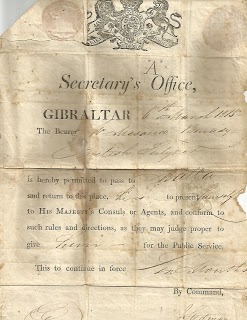
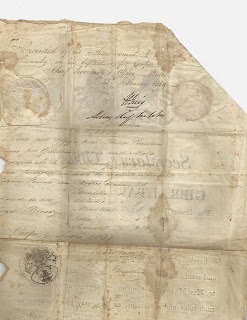
Ancient-DNA ancestry estimates compare genetic evidence with reference populations; modern nationalities are not biological labels. Sam Benady’s The Keys to the City is a historical novel, so its characters and plot should be distinguished from documentary evidence. Family Odyssey, by Tito Benady and Sam Benady, is the identified source for the family material and passport images.
Gibraltar National Museum · Calpeia; Gibraltar National Museum · Yantar.
The Sam and Sarita photograph and Benady passport images are reproduced with permission. Calpeia and Yantar images remain pending rights clearance. The Llanito video is a third-party YouTube embed with a fallback link; availability is controlled by its publisher.